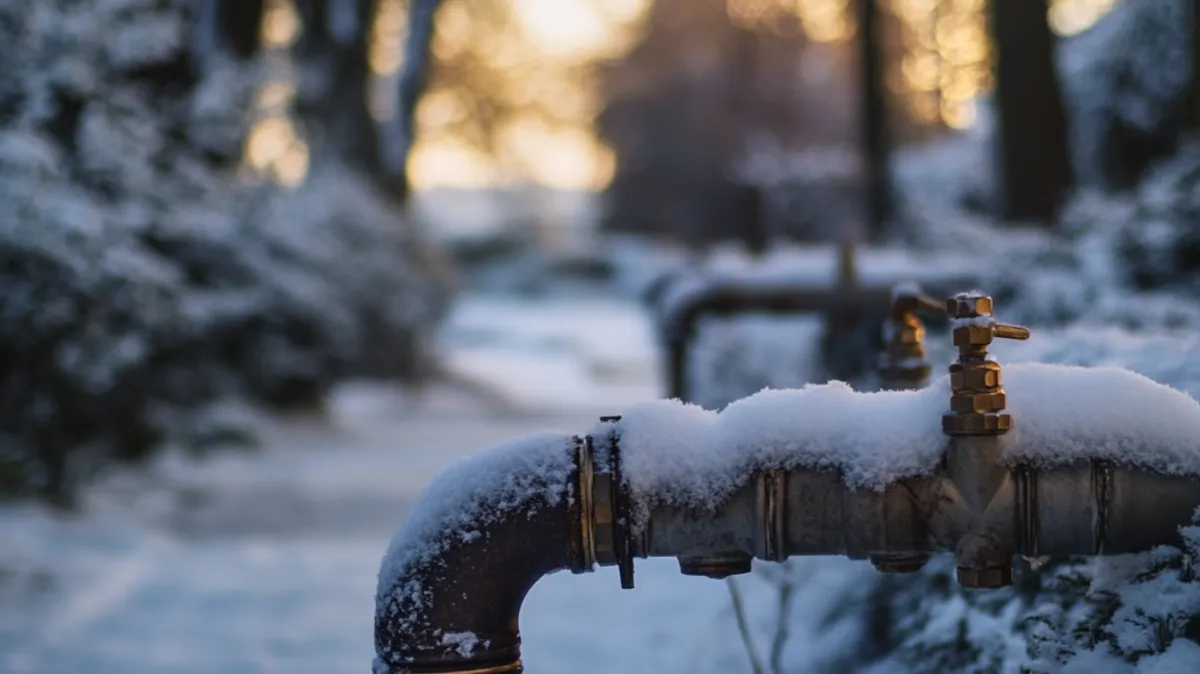
Winterizing Your Outdoor Plumbing: Avoid Frozen Pipes
Shut Off and Drain Outdoor Faucets
The first step in winterizing your outdoor plumbing is to shut off the water supply to all outdoor faucets. This is typically done using a valve located inside the home, near where the faucet connects to the plumbing system. Once the water is off, open the faucet outside to allow any remaining water to drain out completely. Leaving water in the pipes increases the risk of freezing, which can lead to cracking and bursting.
For added protection, consider installing faucet covers or insulating the pipes connected to the faucets to provide an extra layer of defense against cold temperatures.
Winterize Your Sprinkler System
Sprinkler systems are often overlooked when preparing for winter, but they can be a significant source of issues if not properly winterized. Start by shutting off the water supply to the system. Then, drain the water from the sprinkler pipes by using the system’s manual drain valves or by blowing out the water with an air compressor. Removing all the water from the system ensures that there is no risk of it freezing and damaging the pipes or sprinkler heads.
Don’t forget to insulate any above-ground sprinkler components and cover any exposed pipes to prevent freezing.
Insulate Exposed Pipes
Pipes that are exposed to the elements, such as those running along exterior walls, through unheated garages, or in crawl spaces, are highly susceptible to freezing. Insulating these pipes with foam insulation sleeves or heat tape can significantly reduce the risk of freezing. Be sure to seal any gaps around where pipes enter your home to prevent cold air from reaching them.
Properly insulated pipes not only prevent freezing but also help reduce heat loss, improving the overall efficiency of your plumbing system.
Disconnect and Store Garden Hoses
Leaving garden hoses connected to outdoor faucets during the winter can trap water in the faucet, increasing the risk of freezing and damage. Before the first frost, disconnect all garden hoses, drain them, and store them indoors until spring. This simple step can go a long way in protecting your outdoor plumbing from freezing temperatures.
Additionally, make sure to check that there is no residual water left in the faucet after disconnecting the hose to avoid any potential freezing inside the faucet.
Check for Leaks Before Winter Hits
Before you wrap up your winterizing efforts, it’s a good idea to inspect your outdoor plumbing for any existing leaks. Even small leaks can become bigger problems during the winter as freezing water expands and damages the pipes. Look for signs of moisture, rust, or drips around faucets, sprinkler heads, and exposed pipes. If you spot any issues, have them repaired by a professional before the cold weather sets in.
Taking care of leaks early will not only prevent potential freezing but also save you from higher water bills and further damage down the line.
Signs Your Outdoor Plumbing Needs Immediate Attention
As temperatures drop, keep an eye out for these common indicators that your system may need immediate attention:
1. Slow-Draining Faucets:
If your outdoor faucets are draining more slowly than usual, it could be a sign that water is freezing inside the pipes. As ice forms, it restricts water flow, which could eventually lead to a burst pipe if not addressed promptly.
2. Leaks or Drips:
Even a small leak or drip can be a major problem during winter. Water that accumulates in pipes or faucets can freeze, expand, and cause the pipe to rupture. If you notice any leaks around your outdoor plumbing, it's crucial to repair them before freezing temperatures set in.
3. Visible Frost on Pipes:
If you can see frost forming on any exposed outdoor pipes, it’s a clear sign that your pipes are at risk of freezing. This is particularly concerning for pipes that aren’t insulated. Frost on the outside of a pipe means the water inside is likely starting to freeze, which could lead to a burst if left untreated.
4. Unusually Low Water Pressure:
A sudden drop in water pressure when using outdoor faucets or sprinklers can signal that water is freezing in your pipes. When water freezes, it expands, causing pressure to build up behind the blockage. This can result in a pipe burst if the pressure becomes too high.
5. Pooling Water or Ice Patches:
If you notice water pooling near outdoor faucets or unusual ice patches forming around your home, this could indicate a leak in your plumbing system. Water leaking from pipes can freeze on the ground, causing damage to your landscaping and creating hazardous icy spots.
The Dangers of Ignoring Outdoor Plumbing Maintenance
Here are the potential consequences of skipping essential outdoor plumbing maintenance:
1. Burst Pipes:
One of the most common and costly problems associated with ignoring outdoor plumbing maintenance is burst pipes. When water freezes inside a pipe, it expands and puts immense pressure on the pipe walls. Eventually, this pressure can cause the pipe to crack or burst, leading to significant water damage. Repairing burst pipes, especially in hard-to-reach areas, can be both time-consuming and expensive.
2. Water Damage to Your Home:
A burst pipe can release hundreds of gallons of water in a short amount of time, causing extensive damage to your home’s foundation, walls, and insulation. Water from burst outdoor pipes can also seep into your basement or crawl space, resulting in mold growth and structural damage if not addressed promptly.
3. Increased Repair Costs:
The longer outdoor plumbing issues go unnoticed, the more expensive they become to fix. A minor leak or vulnerable pipe that could have been easily repaired before winter can turn into a full-blown emergency. Emergency repairs for burst pipes or extensive water damage often come with a hefty price tag, especially if they occur during the coldest months of the year.
4. Frozen Sprinkler Systems:
Sprinkler systems that are not properly winterized can freeze and crack underground, leading to hidden leaks that can go undetected until the warmer months. These leaks can cause significant damage to your yard and landscaping, not to mention the repair costs for the sprinkler system itself.
5. Disrupted Water Supply:
If your outdoor plumbing freezes, it can affect your home’s overall water supply. Frozen pipes can block water flow, making it difficult or impossible to access water for your household needs. This disruption can be especially inconvenient during the winter months when plumbing issues are harder to repair.
How to Safeguard Your Outdoor Plumbing All Year Round
Here are some practical tips homeowners can follow throughout the year to keep their outdoor plumbing in top condition:
1. Regularly Clean Gutters and Downspouts
Clogged gutters and downspouts can lead to water overflow, which can damage your home’s foundation and outdoor plumbing. Make it a habit to clean your gutters at least twice a year—once in the spring and once in the fall. This helps to prevent water from pooling near your pipes and reduces the risk of freezing in winter.
2. Inspect Outdoor Faucets for Leaks
Check your outdoor faucets regularly for leaks or drips. Even a small leak can lead to water damage or freezing in colder months. Tighten connections and replace worn washers to prevent unnecessary water loss. If you notice a persistent leak, it may be time to call in a professional for a more thorough inspection.
3. Check Water Pressure
Excessively high water pressure can strain your outdoor plumbing system, potentially causing pipes to burst over time. Use a pressure gauge to check the water pressure at your outdoor faucets. If the pressure is too high (above 60 PSI), consider installing a pressure regulator or consult a professional plumber to adjust it.
4. Drain and Store Garden Hoses
Leaving garden hoses connected to outdoor faucets can trap water inside the faucet, increasing the risk of freezing and damage. At the end of the summer season, be sure to disconnect, drain, and store your garden hoses indoors to prevent them from cracking or bursting.
5. Schedule Professional Inspections
While regular DIY inspections are important, scheduling professional plumbing inspections at least once a year ensures that any hidden issues are identified and addressed before they escalate. A professional plumber can thoroughly check for any leaks, blockages, or vulnerabilities in your outdoor plumbing system, making repairs as needed.
6. Insulate Exposed Pipes
Exposed pipes are vulnerable to extreme temperature changes throughout the year. Install insulation on outdoor pipes, especially those in unheated areas like basements, crawl spaces, and garages. This helps to prevent freezing during winter and minimizes the expansion and contraction caused by temperature fluctuations.
For more thorough inspections or repairs, trust the experts at Bravo Initiative LLC to help you keep your plumbing running smoothly, no matter the season.
