Toilet Maintenance – A Recent Job & Some Homeowner Tips
By Les, Owner, Bravo Initiative LLC
What I Walked Into
Earlier this month, I got a call from a homeowner in the Denver Metro Area who said one of their toilets had been acting up for a while. It still flushed, so they hadn't treated it like an urgent problem, but it was running longer than normal after each flush and every now and then they had to jiggle the handle to get it to stop.
When I got there, I flushed the toilet a few times and could see what they were talking about. The flush itself wasn't very strong, and after the tank filled back up, water continued running for quite a while before finally stopping.
The toilet wasn't completely broken. It was still usable. But there were a few worn parts inside the tank that weren't doing their jobs properly anymore.
A toilet can keep working for a long time while wasting water or becoming less reliable without anyone realizing how much has changed.
The Problem
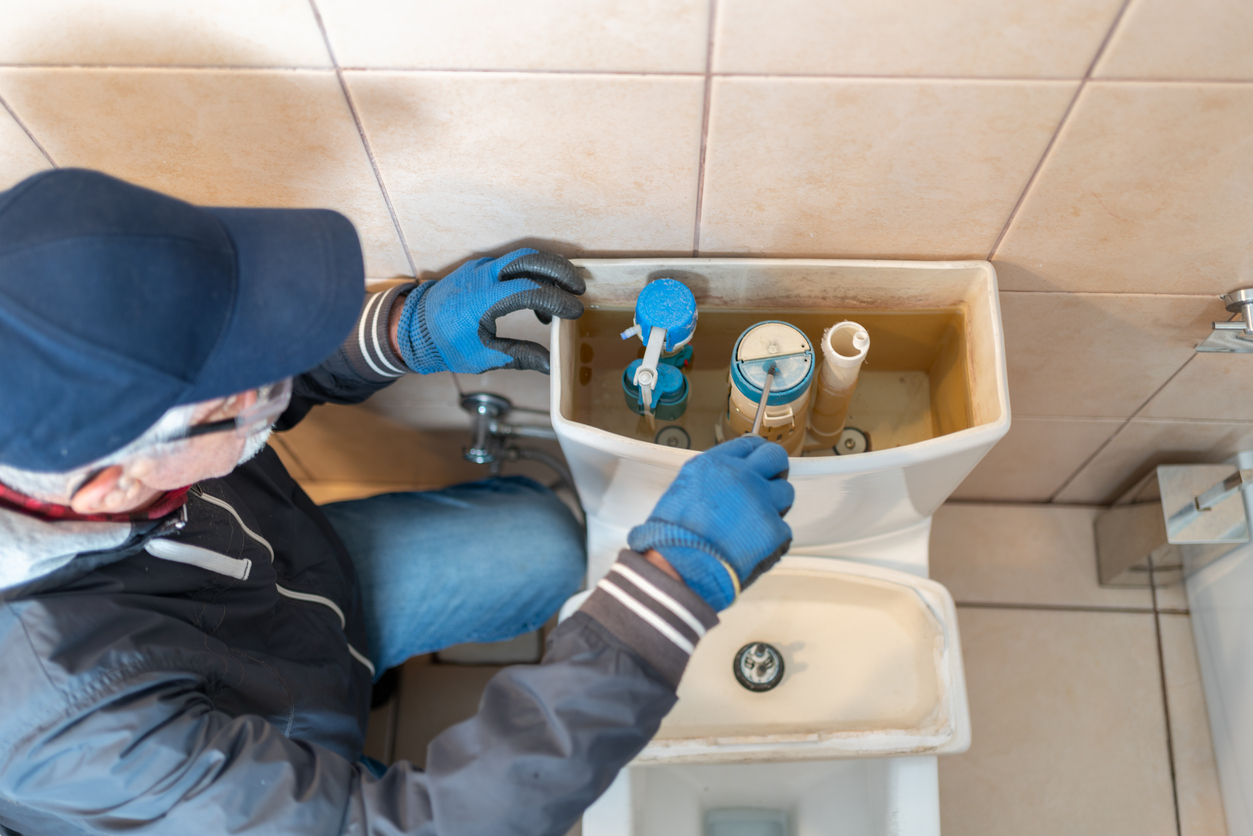
I started by taking the tank lid off and checking the parts inside.
The first thing I noticed was the flapper. It was worn and wasn't sealing tightly against the flush valve anymore. After each flush, a small amount of water continued leaking from the tank into the bowl. That caused the fill valve to keep turning on to replace the water that was being lost.
That explained why the homeowner kept hearing the toilet running.
The fill valve itself was also getting older and wasn't shutting off as cleanly as it should. Between the worn flapper and the fill valve, the toilet was using more water than necessary throughout the day.
Then I checked the flush performance. Part of the weak flush was coming from mineral buildup around the rim jets.
The homeowner had gotten used to holding the handle down a little longer to get everything to clear. They didn't realize that wasn't how the toilet was supposed to operate.
None of these problems were major on their own. But together, they were signs that the toilet needed some basic maintenance before one of those small issues turned into a bigger repair.
The Process
I walked the homeowner through what I found before replacing anything. Most of the repairs were straightforward, and there was no reason to replace the entire toilet.
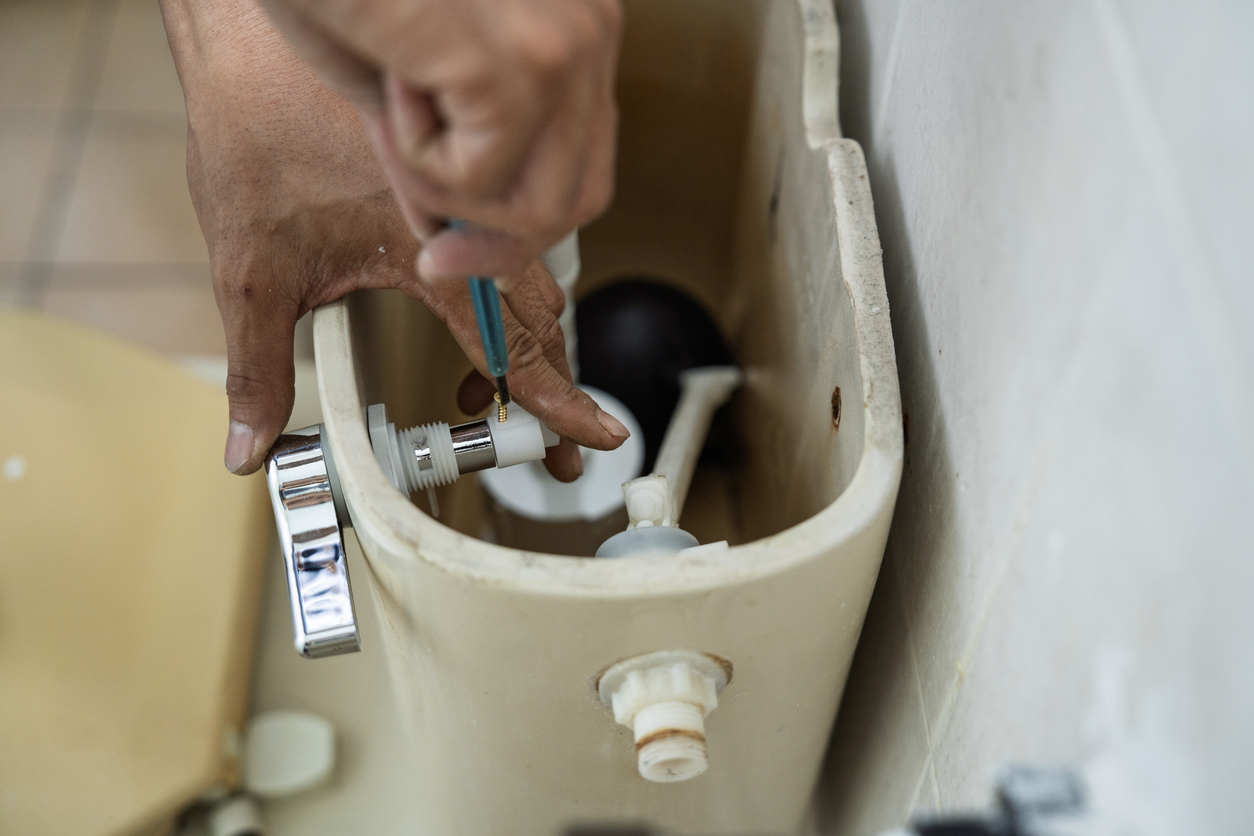
I started inside the tank by removing the worn flapper and installing a new one that seated properly against the flush valve. I tested it several times to make sure the seal held and water wasn't continuing to leak into the bowl.
Next, I replaced the older fill valve and adjusted the tank water level. You want enough water for a proper flush, but you don't want the tank filling higher than necessary and wasting water.
After that, I cleaned the mineral buildup around the rim jets so water could move into the bowl properly again. Once those openings were clear, the difference in the flush was noticeable.
Once everything was back together, I flushed it several times. The tank filled normally, the water shut off when it should, and the bowl cleared without needing to hold the handle down.
Before leaving, I showed the homeowner a couple of simple things they could check themselves if the toilet ever started behaving differently again.
The Outcome
The biggest difference was how normally the toilet worked afterward.
The homeowner didn't have to jiggle the handle anymore, and the running sound they had gotten used to hearing was gone. After each flush, the tank filled, the valve shut off, and everything stayed quiet.
The flush was stronger as well. Clearing the mineral buildup and getting the tank components working properly meant they no longer had to hold the handle down or flush twice.
The homeowner told me afterward that they hadn't realized how many little things had been wrong because each problem developed gradually. Once everything was working properly again, the difference was pretty obvious.
That's usually how toilet maintenance goes. Most of the time, it's not one big failure. It's a few inexpensive parts wearing down and small changes in performance that eventually start becoming noticeable.
DIY Advice
Before I left, I gave the homeowner a few simple things to watch for going forward:
1. Listen to the toilet after every flush. Once the tank finishes filling, it should stop running.
2. Pay attention to changes in how the toilet flushes. If you suddenly have to hold the handle down, flush twice, or reach for the plunger more often, something may need to be cleaned or adjusted.
3. Check for hidden tank leaks with a few drops of food coloring. Add them to the tank and wait without flushing.
4. Keep an eye on the base of the toilet. If you notice moisture around the floor or the toilet starts rocking when you sit down, don't ignore it.
5. Be careful about what gets flushed. Toilets are meant for normal waste and toilet paper.
The homeowner started paying more attention to how the toilet sounded and flushed afterward. Those simple checks only take a few minutes and can help catch a small problem before it becomes a leak, clog, or unnecessary water waste.
Professional Insight
Toilets are simple fixtures compared with some other parts of a plumbing system, but they still have several components that wear out over time.
A running toilet might only need a flapper. A weak flush could come from mineral buildup or an incorrect water level. A toilet that rocks could simply need to be secured, or it could be a warning that the seal underneath has already been affected.
That's why I don't like replacing parts without first figuring out what's actually causing the problem.
For homeowners in the Denver Metro Area, I'd recommend paying attention when a toilet starts behaving differently. If it's running longer, flushing weaker, clogging more often, or moving at the base, there's usually a reason.
Catching those problems early is normally much simpler than waiting until there's water on the floor.
Closing
Toilets are probably one of the most used plumbing fixtures in any house, but they're also one of the easiest to ignore as long as they still flush.
This job was a good example of why the small signs matter. Nothing had completely failed, but the toilet was wasting water, flushing poorly, and starting to move at the base.
A little maintenance took care of all of it before the homeowner had to deal with a bigger problem.
If you're in the Denver Metro Area and your toilet has started running, rocking, clogging more often, or just isn't flushing the way it used to, I'm always happy to take a look and figure out what's going on.
– Les
