
The Littleton & Greater Denver Metro Plumbing Journal
By Bravo Initiative, LLC
Drain Cleaning – A Recent Job & Some Homeowner Tips
By Les, Owner, Bravo Initiative LLC
What I Walked Into
Earlier this month, I got a call from a homeowner in the Denver Metro Area who said their kitchen sink had been draining slower and slower over the past few weeks. At first, they figured it was just one of those things that would clear up on its own. But then the bathroom sink started doing the same thing, and they began hearing a gurgling sound whenever they emptied the kitchen sink.
Nothing had completely stopped draining yet, but it was becoming frustrating. The homeowner told me they were hosting family later that month and wanted to get everything working properly before guests arrived.
When I got there, the house was in great shape overall. There were no leaks or obvious plumbing problems. But after testing a few fixtures, it was clear the drains were not moving water the way they should.
Drain problems usually build slowly. Most homeowners notice a sink taking a little longer to empty or water sitting in the shower for an extra minute. Those small changes are often the first sign that buildup is starting to collect inside the pipes.

The Problem
I started by checking each drain separately to see whether the problem was isolated or affecting multiple parts of the home. The kitchen sink was the slowest, while the bathroom sink and shower were beginning to show the same symptoms.
The kitchen drain had years of grease, soap residue, and food particles coating the inside of the pipe. It wasn't completely blocked, but the opening had gradually become smaller as the buildup collected over time.
The bathroom drain had a different issue. Hair, soap scum, and toothpaste residue had slowly accumulated inside the line. None of it happened overnight. It was simply the result of everyday use.
The homeowners mentioned they had tried a store-bought drain cleaner a couple of times. It seemed to help for a day or two, but the slow draining always came back. That's something I hear quite often. Chemical cleaners might temporarily open a small path through the blockage, but they usually don't remove the buildup that's attached to the inside of the pipe.
By this point, the homeowners had started changing their routine. They were avoiding using one sink while another fixture was running because they didn't want the drains to back up any further. It's a small inconvenience at first, but it becomes something people think about every day.
The Process
Before getting started, I explained what I was finding and why the drains were slowing down. Once homeowners understand what's happening inside the pipes, it usually makes more sense why the problem keeps returning.
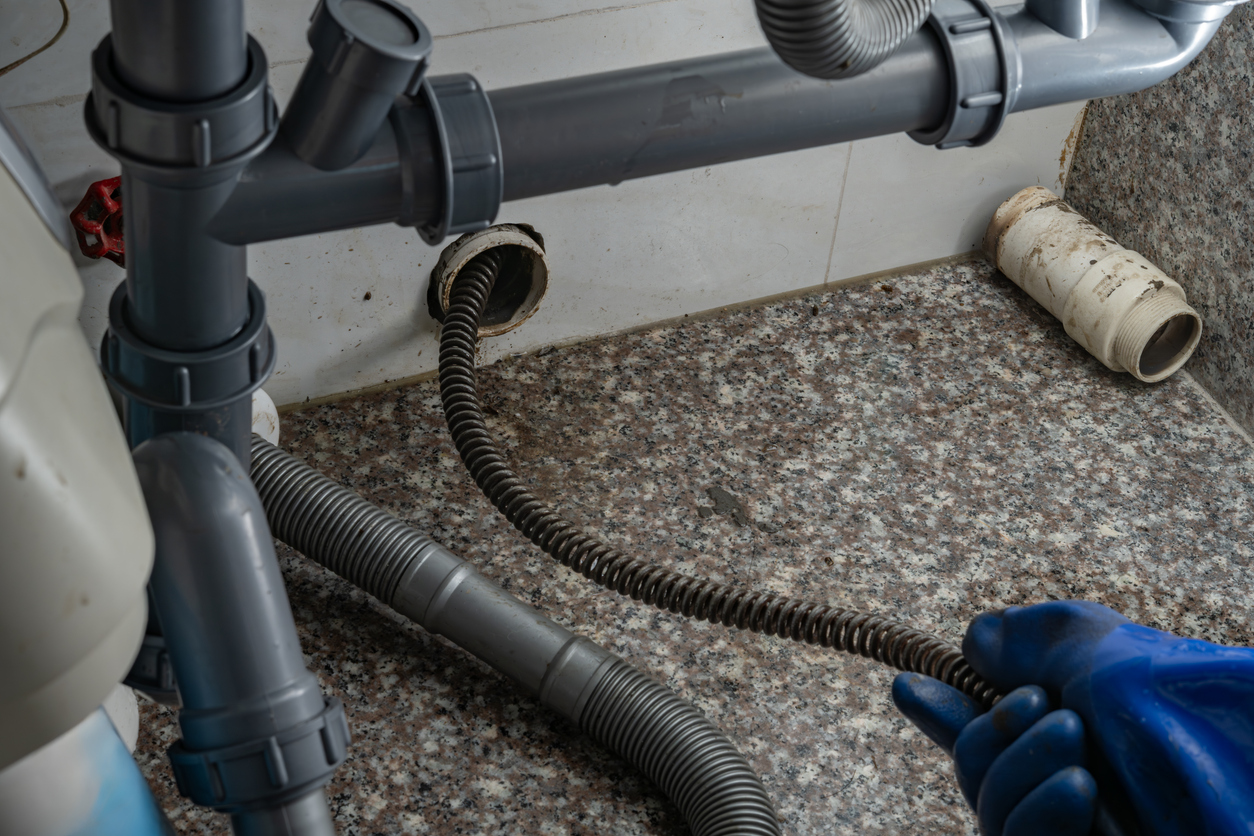
I started with the kitchen drain. Using professional drain cleaning equipment, I broke through the buildup and cleared the grease that had collected inside the line. Once the blockage was removed, I flushed the drain thoroughly to wash away the remaining debris.
Next, I moved to the bathroom drain. After removing the hair and soap buildup, I tested the line several times to make sure water was flowing normally again.
While I was there, I also checked the trap assemblies and accessible drain connections to make sure there weren't any leaks or loose fittings contributing to the problem.
Before finishing, I ran water through every fixture that had been draining slowly. Everything cleared quickly, and there were no more gurgling sounds or standing water.
I also spent a few minutes talking with the homeowners about what typically causes drain buildup and what they could do to slow it down in the future.
The Outcome
By the time everything was cleaned out, the difference was easy to notice.
The kitchen sink emptied normally again without water collecting in the basin. The bathroom sink drained smoothly, and the shower no longer held water around the drain.
The homeowners told me they hadn't realized how gradually the drains had slowed down until they were working properly again. Sometimes people get used to a slow drain because it happens little by little.
A couple of weeks later, they let me know everything was still draining the way it should. They were able to have family over without worrying about slow sinks or standing water in the shower.
Nothing about the house looked different when I left, but everyday plumbing was working the way it was supposed to again.
DIY Advice
Before I left, I shared a few simple habits that help keep drains flowing longer:
1. Try not to pour grease or cooking oil down the drain. Even if it's hot when it goes down the sink, it cools quickly and starts sticking to the inside of the pipe.
2. Place drain strainers in your kitchen and bathroom sinks to catch food scraps, hair, and other debris before they enter the plumbing.
3. Run plenty of water when using the disposal, and avoid putting fibrous foods like celery, corn husks, or potato peels through it.
4. If you notice water starting to drain more slowly than usual, it's much easier to deal with a small buildup than a complete blockage.
5. Avoid relying on chemical drain cleaners as a long-term solution. They rarely remove the entire blockage and can be hard on older plumbing over time.
The homeowners told me they started using drain strainers right away, and they were surprised how much debris they caught in just the first week.

Professional Insight
Most drain cleaning calls aren't emergencies. They're usually the result of months or even years of gradual buildup inside the pipes.
Around the Denver Metro Area, kitchen drains often collect grease and food residue, while bathroom drains slowly fill with hair and soap buildup. Neither problem develops overnight, which is why they're easy to overlook at first.
The sooner a slow drain is addressed, the easier it usually is to restore normal flow. Waiting until water completely stops draining often means more work and more inconvenience.
Closing
One thing I've learned over the years is that slow drains almost always give you a warning before they become fully blocked.
Paying attention to those early signs can save you from dealing with backups, standing water, or emergency plumbing calls later.
If you're in the Denver Metro Area and you've noticed your sinks, tubs, or showers draining slower than they used to, I'd be happy to take a look before it turns into something bigger.
– Les

Schedule a Professional Inspection
Ready to schedule a professional inspection? Contact us today.

Have a question? Give us a call
We are happy to answer any questions you have :)
7917 W Peakview Dr, Littleton, CO 80123, United States
720-952-7178
Master Plumbing License - MP.03000238
Contractor License - PC.0004060