
The Littleton & Greater Denver Metro Plumbing Journal
By Bravo Initiative, LLC
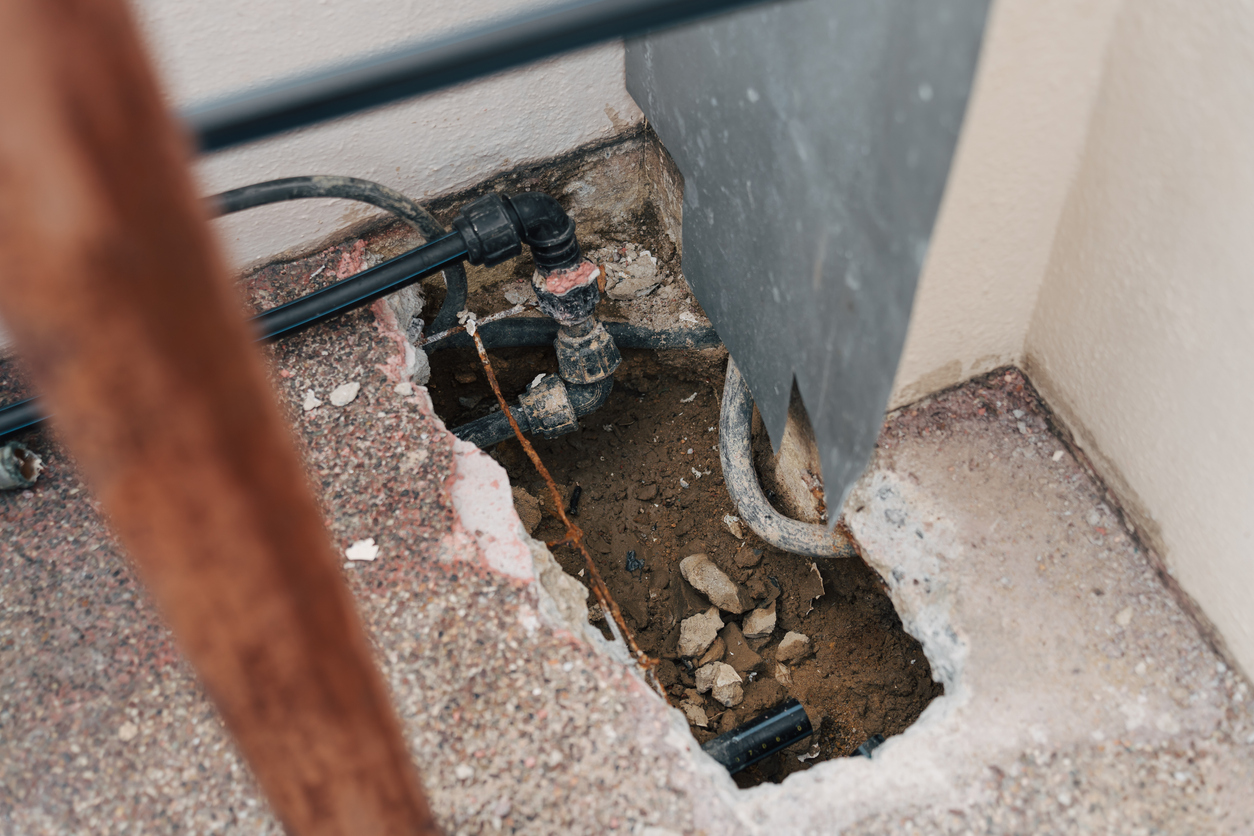
Sewer Backups – A Recent Job & Some Homeowner Tips
By Les, Owner, Bravo Initiative LLC
What I Walked Into
Earlier this month, I got a call from a homeowner in the Denver Metro Area who said water had started backing up into their downstairs shower whenever the washing machine ran. At first, they thought it was just a slow drain, but then they noticed a bad smell coming from the bathroom and water pooling around the drain after every load of laundry.
When I got there, the house itself looked clean and well taken care of. Nothing looked out of place at first. But once we ran water and tested a few fixtures, it became pretty clear there was a bigger blockage somewhere in the main sewer line.
That’s usually how these jobs start. It doesn’t always hit homeowners all at once. A slow drain turns into gurgling sounds, then standing water, and eventually water starts coming back up where it shouldn’t.
The Problem
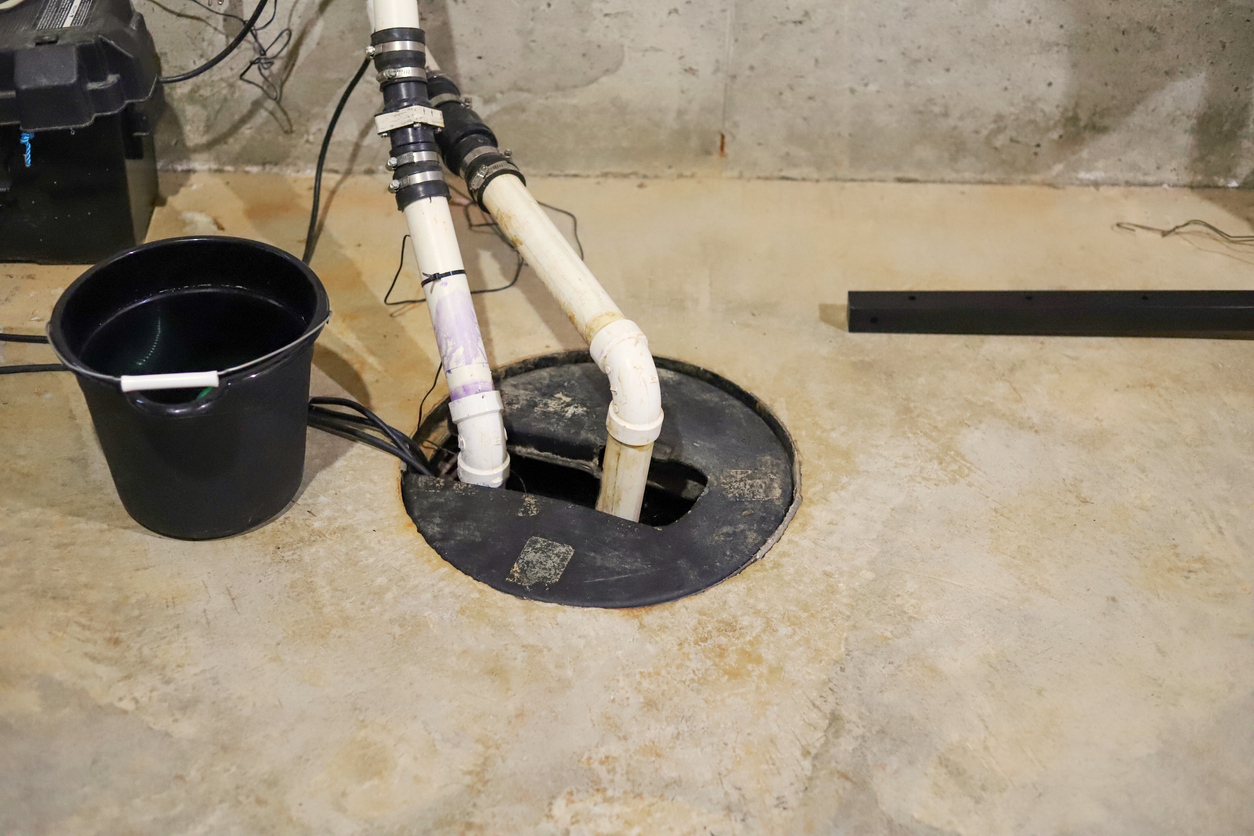
After checking the drains and running a camera inspection through the sewer line, we found the issue pretty quickly. Tree roots had worked their way into an older section of pipe underground.
This is something I see fairly often in the Denver Metro Area, especially in neighborhoods with older homes and mature trees. Roots naturally move toward moisture, and even a very small crack or loose connection in a sewer pipe is enough to attract them. Once they find their way inside, they keep growing and start catching debris like toilet paper, grease, and waste moving through the line.
Over time, that buildup gets thicker and thicker. What starts as a small restriction slowly turns into a blockage that affects how the whole plumbing system drains.
The homeowners mentioned they had noticed small warning signs for a while — slow drains, occasional gurgling sounds, and water taking longer to clear from the shower.
By the time I arrived, they were already avoiding using certain fixtures because they were worried about making the backup worse. That’s usually when the stress really starts.
Nobody wants to wonder whether running the sink or washing machine is going to send dirty water back into the house.
The Process
I started by running a sewer camera through the line so we could see exactly what was happening underground. Camera inspections help remove the guesswork because you can actually see the condition of the pipe and where the blockage is forming.
Once I found the root intrusion and buildup, I explained the options to the homeowner. In this case, the pipe itself was still in decent shape structurally, which was good news. We didn’t need to dig up the yard or replace the line — the main issue was clearing the roots and restoring proper flow.
I used a sewer machine with a root-cutting attachment to break apart and remove the roots growing inside the pipe. The roots had wrapped around parts of the line pretty heavily, so it took some time to fully clear them out without damaging the pipe itself.
After cutting through the roots, I flushed the sewer line thoroughly to remove the debris and buildup that had collected behind the blockage. Once water started moving normally again, I ran the camera back through the pipe a second time to make sure the line was fully open and there weren’t any additional trouble spots further down.
Before finishing up, I talked with the homeowner about long-term maintenance and what signs to watch for moving forward. With older sewer lines, root intrusion can sometimes come back over time, so paying attention to early warning signs makes a big difference.
The Outcome
Once the blockage was removed, everything started draining normally again right away. We tested the washing machine, flushed toilets, and ran sinks throughout the house without any backup showing up in the shower drain.
The homeowners were relieved more than anything. They had been worried they were dealing with a collapsed sewer line or a major excavation project. Fortunately, we caught it before it reached that point.
The smell inside the bathroom started fading once the drains were flowing properly again, and they no longer had to avoid using parts of the plumbing system.
From the outside, nothing about the house looked different afterward. But having the sewer line flowing properly again made the home feel normal to them again.
DIY Advice
Before I left, I gave them a few simple things they can do to help avoid sewer backup issues in the future.
I told them to pay attention to early warning signs like slow drains in multiple areas of the house, bubbling or gurgling sounds, and water backing up in lower fixtures like tubs or showers.
I also recommended avoiding flushing wipes, paper towels, or grease down the drain. Even products labeled “flushable” can contribute to blockages over time.
If you have mature trees near your sewer line, it’s a good idea to have the line inspected occasionally, especially if the home has older pipes.
And if drains suddenly start slowing down throughout the house at the same time, it’s usually better to check it early before it turns into a full backup.
The homeowners followed up later and mentioned everything had continued draining normally since the repair.
Professional Insight
Sewer backups are one of those problems that usually build slowly before becoming obvious. Most homeowners notice small signs first — a slow drain, an occasional smell, or strange noises in the pipes.
The difficult part is figuring out whether it’s a simple drain issue or something deeper in the main sewer line. That’s where camera inspections make a big difference. They let us see exactly what’s happening underground without guessing.
A lot of sewer problems can be managed early if they’re caught before the line fully blocks or breaks down.
Closing Thoughts
This job was a good reminder that sewer issues rarely start all at once. Most of the time, the warning signs are there early if you know what to look for.
Paying attention to slow drains and unusual plumbing behavior can help prevent a much bigger cleanup later on.
If you’re in the Denver Metro Area and something in your plumbing system doesn’t seem right, I’m always happy to come take a look and help figure out what’s going on.
– Les
[https://www.bravoplumbinglittleton.com/]

Schedule a Professional Inspection
Ready to schedule a professional inspection? Contact us today.

Have a question? Give us a call
We are happy to answer any questions you have :)
7917 W Peakview Dr, Littleton, CO 80123, United States
720-952-7178
Master Plumbing License - MP.03000238
Contractor License - PC.0004060